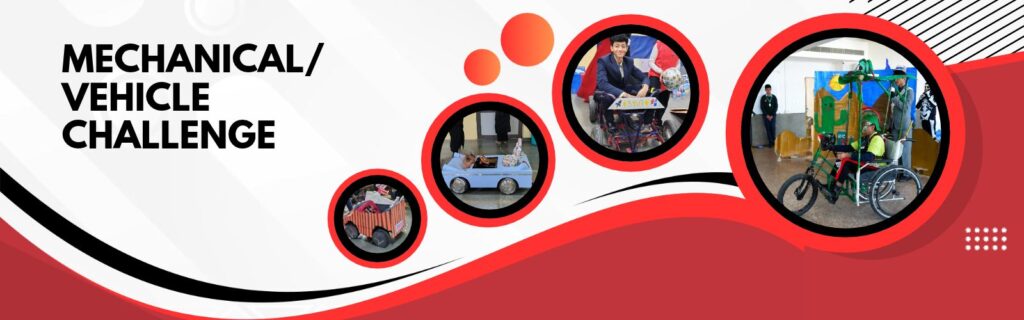
Odyssey of the Mind Challenge 1 Vehicle

Students design, build, test and operate an original vehicle by applying engineering principles. Teams may be challenged to navigate creative courses, hit targets, deliver parts or transport teammates as they demonstrate their vehicle’s design, movement and capabilities.

Through this challenge, students experiment with different design solutions, troubleshoot technical problems and refine their creations through testing. Students also create and perform an original skit featuring characters, storytelling and special effects. The performance integrates the vehicle into a creative scenario with the primary emphasis on demonstrating the vehicle’s operation, testing its capabilities and showcasing the team’s technical ingenuity.

Each team develops its own unique approach, making the challenge an opportunity to explore innovation, practical problem-solving and bringing technicality and artistic creativity together through imaginative storytelling.

Skills Students Develop Through the Vehicle Challenge

The Vehicle Problem gives students an opportunity to develop technical, creative and collaborative skills while designing and testing an original vehicle and presenting it through storytelling.

Engineering and Design Thinking

Students apply engineering principles to design, build, modify and test a working vehicle. They explore how different design choices affect the vehicle’s movement, performance and reliability.

Cognitive Skill

 Teams explore different ideas, overcome design challenges, and find creative solutions through hands-on experimentation. By testing, evaluating, and refining their vehicle through an iterative problem-solving process, they learn to adapt their ideas and improve their designs.
 

Innovation and Experimentation

Students investigate different ways to power and operate their vehicles, encouraging them to experiment with materials, mechanisms and energy sources rather than relying only on conventional solutions.

Artistic Expression and Storytelling

 Students use characters, visual elements, special effects and imaginative storytelling to communicate their ideas through an original performance. They also creatively style themselves and design costumes to suit their characters, bringing together engineering, artistic expression and theatrical creativity in a unique and engaging way.
 

Collaboration and Teamwork

Students work together to divide responsibilities, exchange ideas, make design decisions and solve technical and creative challenges as a team.

Communication and Presentation 

Students develop communication skills by expressing their ideas through an original skit, using dialogue, characters and storytelling to engage the audience. They learn to present their concepts creatively and bring their performance to life with confidence and originality.

2026-27 Vehicle Challenge

OMER'S SHOPPING SERVICES

In this problem, teams will develop their own creative OMER’s shopping service. They will build one or more vehicles that will perform tasks such as taking an order and shopping for the items requested. One of the items will not be available and the vehicle will choose a substitute item and eventually check out. For divisions 2 through 4 the items will be unloaded by a team-made device. As the finale, the vehicle will be released and return to its parking location.
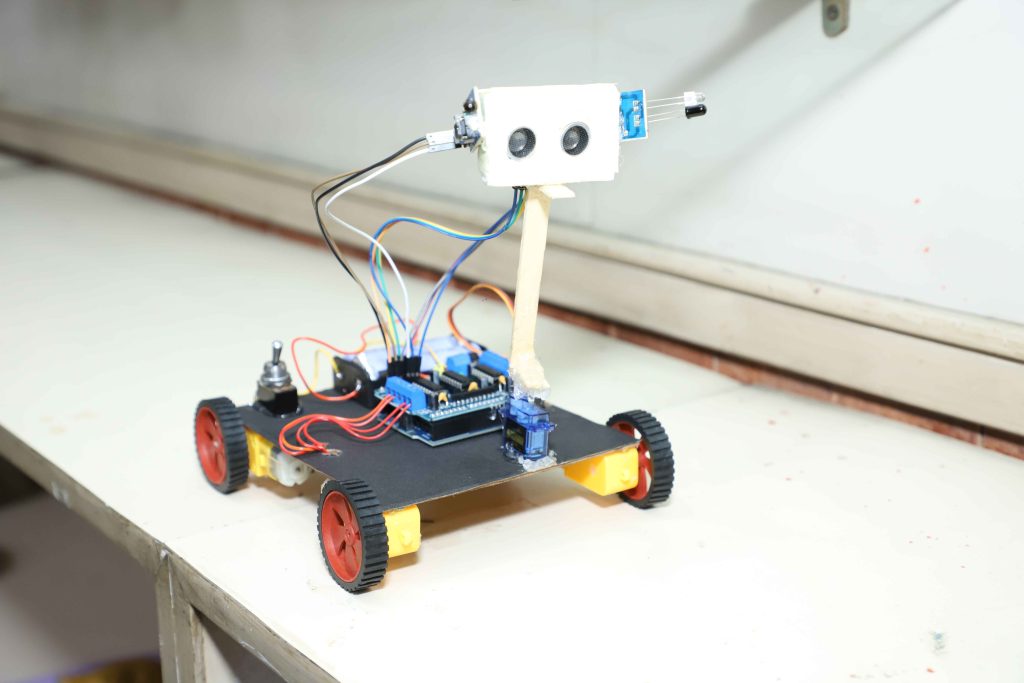
Student self build small vehicle

OOTM INDIA VEHICLE CHALLENGE FAQ

Teams can begin by understanding the problem requirements, brainstorming different design approaches, building prototypes, testing vehicle performance and refining their solutions. Preparation should follow the official rules and preserve the team's ownership of its creative work.
Prior engineering experience is not necessarily required. Students can explore engineering concepts through hands-on design, experimentation and teamwork while developing a solution appropriate to the challenge.
Teams must follow the official Vehicle challenge rules regarding vehicle modifications during a performance. Whether adjustments or modifications are permitted depends on the specific requirements and restrictions outlined in the current season’s problem statement. Teams should review the official rules and clarifications before making any changes during competition.
Teams should carefully review the challenge requirements, consider the vehicle's intended function, explore different design options, sizes, and plan how they will test and improve their solution. All design decisions should align with the official rules.
Teams may use batteries in their vehicle designs but LED batteries are not permitted. Teams should ensure that all components comply with the official Vehicle Problem rules and restrictions.
Teams can improve performance by testing their designs, identifying technical issues, evaluating different approaches, and refining their vehicles in accordance with the official requirements.
The outcome depends on the task requirements and scoring criteria specified in the official problem statement. Teams should understand the evaluation rules and test their solutions thoroughly before competition.
Yes, styling is an important aspect of the Vehicle Problem, just as it is in all Odyssey of the Mind challenges. Artistic design, visual appeal and creative presentation contribute to the overall solution and can earn points according to the official scoring guidelines. Teams should focus on both technicality and styling to create a creative and visually appealing vehicle.