Odyssey of the Mind Classics Challenge
In this challenge students explore the richness of world history, literature, art, music and culture through original theatrical performances. Teams select a subject inspired by a classical work, historical event, cultural tradition or artistic creation and develop their own interpretation of it. They might bring an ancient legend to life, reimagine a famous historical event, adapt a literary masterpiece into a modern-day story, or present an original continuation of a well-known tale.
The challenge goes beyond simply retelling an existing story. Teams are encouraged to think creatively, reinterpret historical events, introduce unexpected twists, and present familiar subjects from fresh perspectives. For example, they might transform the story of Pandora’s Box into a futuristic adventure or imagine a new quest inspired by the legendary Labours of Heracles.
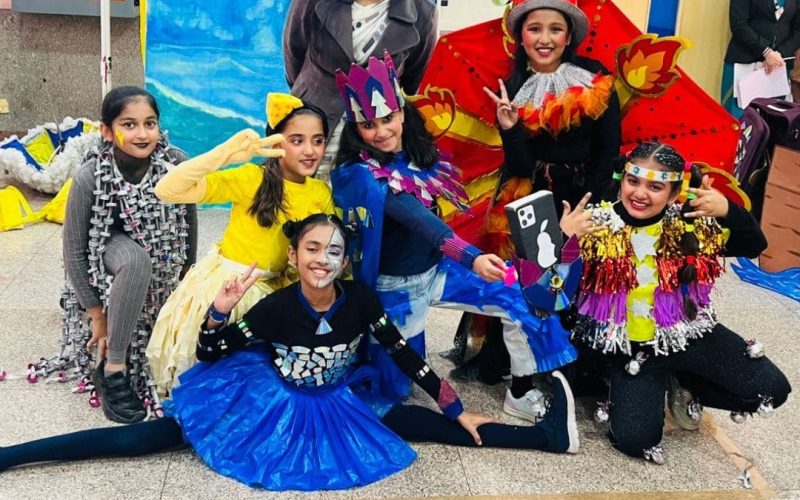
Through research, scriptwriting, character development, acting, costumes, props, and stage design, students combine historical understanding with artistic expression.
Skills Student Developed through Classics Challenge
Oral Communication and Theatrical Performance: Strengthening verbal articulation, expressive delivery, character portrayal, stage presence and the ability to communicate complex ideas to an audience.
Artistic Direction and Visual Communication: Applying principles of visual composition, costume design, prop development and stage aesthetics to create a cohesive theatrical presentation.
Planning and Execution: Managing research, script development, production design, rehearsals, and performance deadlines while allocating time and resources effectively.
Interpretive Reasoning and Perspective-Taking: Understanding the motivations, beliefs and social contexts of historical figures and literary characters while exploring how different perspectives shape the interpretation of events.
2026-27 Classics Challenge
Classics...Wonders of an Ancient world Awaken
It’s alive! Teams will create a historian character who presents three of the seven Wonders of the Ancient World, explaining to an audience some of the lessons and meanings humans have learned from their creation. However, there might be more to these wonders than we think in modern times. During the performance, the ancient wonders will come to life and correct the historian character, explaining to the audience what real lessons they gave to humanity. The performance will include the use of Arm & Hammer baking soda and artistic replicas of the three selected ancient wonders.